
ImmunityBio Targeted by Major Securities Lawsuit Following FDA Regulatory Action
In a troubling development for shareholders, ImmunityBio, Inc. (NASDAQ: IBRX) now faces a securities class action lawsuit that could reshape the company’s legal landscape for years to come. The legal action, initiated on behalf of investors who purchased ImmunityBio securities during a critical window between January 19, 2026 and March 24, 2026, arrives at a particularly vulnerable moment for the beleaguered biotech firm.
The timing of this lawsuit is far from coincidental. The legal filing comes directly on the heels of regulatory concerns raised by the Food and Drug Administration regarding potentially misleading claims about the company’s cancer treatment approaches. These FDA flags represent more than bureaucratic red tape—they signal fundamental questions about how the company has communicated the efficacy and safety profile of its therapeutic candidates to the investing public.
Market Reaction Reveals Investor Confidence Crisis
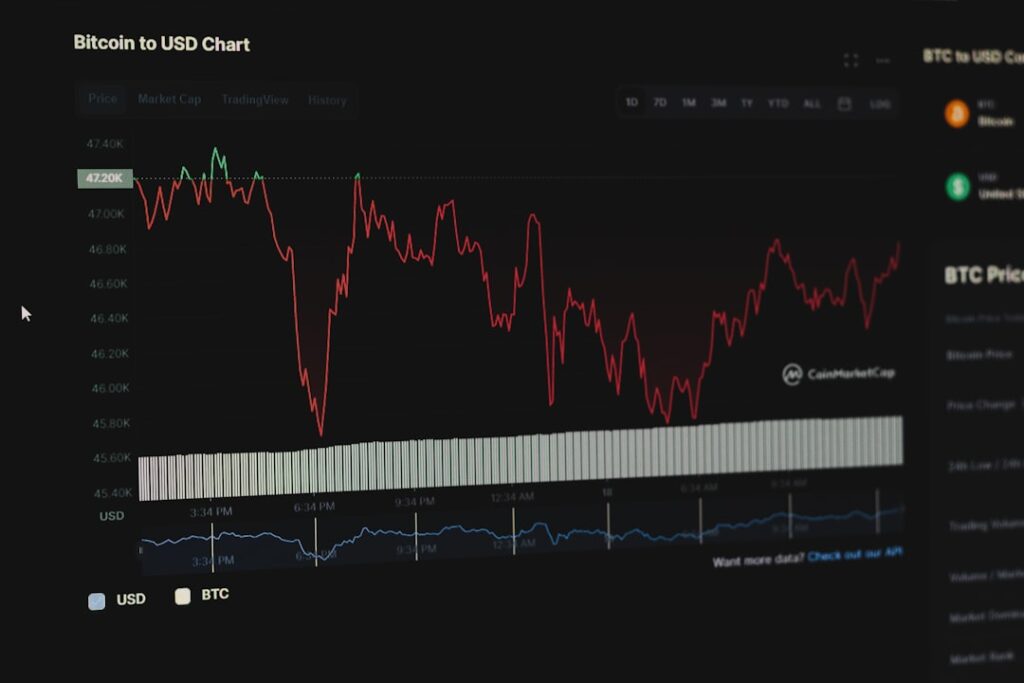
The market’s response has been swift and unforgiving. ImmunityBio’s stock price has plummeted 21% since the FDA concerns came to light, a staggering decline that obliterated approximately $2 billion in shareholder value in what amounts to a catastrophic wealth destruction event. For investors who held positions throughout this period, the losses represent not merely a paper decline but a tangible erosion of capital that raises serious questions about risk management and disclosure practices.
This dramatic repricing reflects a market that demands accountability. When biotech companies make claims about cancer treatments—among the most sensitive and consequential therapeutic areas in medicine—investors rightfully expect rigorous substantiation. Any suggestion that such claims may have been presented in a misleading manner triggers exactly the kind of panic selling we’ve witnessed with IBRX shares.
The Core Issues at Stake
The lawsuit targets a specific period during which, according to allegations, material information about the FDA’s concerns may not have been adequately disclosed to the investment community. This represents one of the most serious allegations that can be leveled against a public company: that executives knew or should have known about negative regulatory developments but failed to communicate them promptly and transparently to shareholders.
For a biotech company, regulatory standing is everything. The FDA’s concerns about misleading cancer claims strike at the heart of what makes a biotech investment proposition credible. If the agency questions how a company is characterizing its treatments, the entire foundation of investor confidence crumbles. Biotech investors accept extraordinary volatility and risk in exchange for the prospect of breakthrough therapies backed by sound science and honest communication.
Broader Implications for the Biotech Sector
This situation serves as a cautionary tale for the entire biotechnology industry. Companies operating in heavily regulated spaces cannot afford even a perception of misleading communications. The SEC and investor protection attorneys monitor biotech announcements with particular scrutiny, understanding that false or misleading statements about treatment efficacy can cause real financial harm to retail and institutional investors alike.
The lawsuit, being handled by experienced securities litigation counsel, will likely focus on establishing whether company executives made statements they knew to be false, or alternatively, whether they omitted material facts that would have been important to reasonable investors making decisions about ImmunityBio securities. The burden will rest on plaintiffs’ counsel to demonstrate that had the full extent of FDA concerns been disclosed earlier, the stock would not have traded at the elevated levels seen during the relevant period.
What Comes Next for ImmunityBio
The company now faces multiple overlapping challenges: addressing the underlying FDA concerns about its cancer treatment claims, navigating the securities litigation that will consume management time and financial resources, and rebuilding investor confidence in its disclosure practices and regulatory compliance framework.
For remaining shareholders, the path forward depends heavily on how management responds to these challenges. Clear, transparent communication about the company’s plans to address FDA feedback, coupled with concrete steps to remediate any disclosure deficiencies, represents the most direct route to stabilizing the stock and protecting shareholder interests going forward.
This report is based on information originally published by All News Releases. Business News Wire has independently summarized this content. Read the original article.