
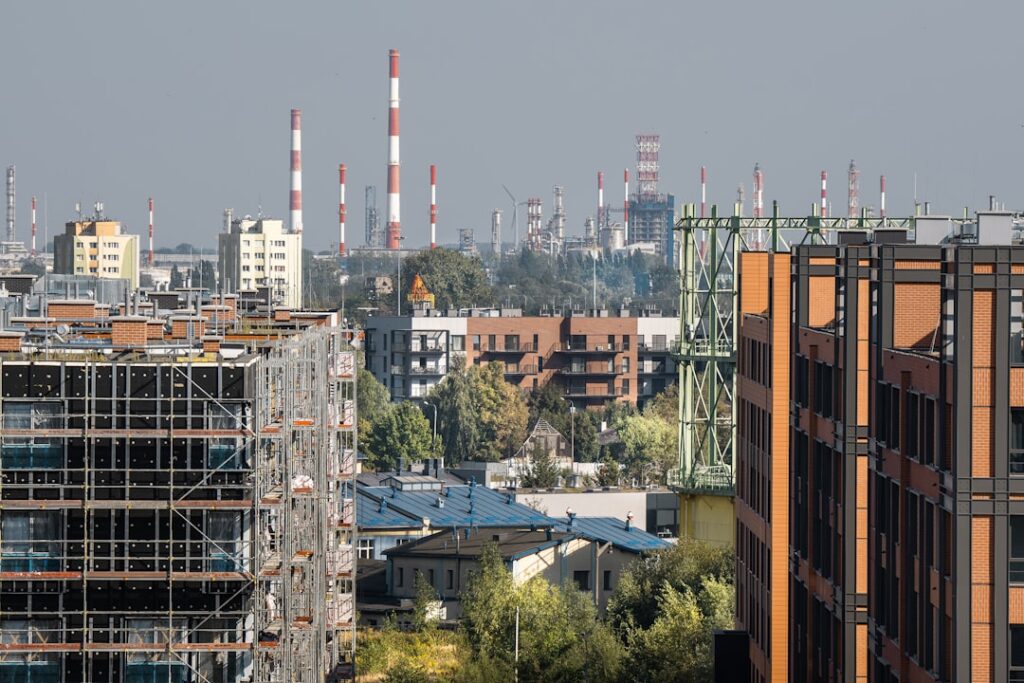
The Hidden Cost of AI’s Hunger for Power
The artificial intelligence boom isn’t just transforming software and business models—it’s fundamentally reshaping the economics of energy infrastructure across the United States. As data center operators scramble to build facilities to support massive computational demands, the companies tasked with providing that power are facing a brutal economic reality: building natural gas power plants has become substantially more expensive and time-consuming than ever before.
Recent data reveals a sobering trend that should concern anyone tracking the long-term viability of the AI infrastructure buildout. Natural gas power plant costs have surged 66% over the past two years, nearly doubling what energy companies expected to spend just a short time ago. Simultaneously, the construction timeline for these critical facilities has extended by approximately 23%, meaning projects that once took predictable durations now stretch into longer, more expensive endeavors.
Understanding the Cost Explosion
The reasons behind these dramatic increases are multifaceted and interconnected. First, there’s the simple matter of supply and demand economics. As data centers proliferate—particularly those supporting large language models and machine learning applications—the need for reliable baseload power has skyrocketed. This increased demand has created intense competition for resources, materials, and skilled labor in the construction sector.
Supply chain pressures that emerged from pandemic-era disruptions continue to reverberate through the energy sector. Steel, specialized equipment, and other materials essential for power plant construction have seen price volatility that makes project budgeting increasingly difficult. Energy companies can no longer rely on the relatively stable input costs they enjoyed in previous decades.
Labor shortages represent another significant factor. The skilled workers required for specialized power plant construction are in short supply, and bidding wars for their services have driven up wage costs. Companies are competing not just with other energy projects but with a broader construction market dealing with similar labor constraints.
The Timeline Crunch
The 23% increase in construction duration adds another layer of complexity to the equation. Longer timelines mean higher financing costs, extended periods of uncertain cash flows, and projects that may face changing regulatory environments before completion. They also mean that data center operators face extended waits for the power infrastructure their facilities desperately need.
This timing challenge creates a potential catch-22 for the industry. Data center developers want to move quickly, but the power infrastructure supporting them is moving slower and costing more. This mismatch threatens to become a bottleneck that could slow the deployment of new AI facilities, affect the competitiveness of various data center operators, and ultimately impact the pace of artificial intelligence advancement itself.
Implications for the Energy Sector
For natural gas power producers and energy companies generally, these trends suggest that profitability margins may compress unless they can find ways to offset the increased costs. Some companies are exploring efficiency improvements, while others are pushing for regulatory changes that might streamline the permitting and construction processes. However, environmental considerations and community concerns about fossil fuel infrastructure add political friction to any fast-tracking efforts.
The irony isn’t lost on industry observers: the technological revolution powering some of the most advanced computing capabilities the world has ever seen depends on aging infrastructure built with traditional engineering approaches and facing unprecedented cost pressures.
What Comes Next
Energy companies, data center operators, and policymakers are beginning to grapple with these realities. Some are looking toward alternative power solutions, including renewable energy combined with battery storage, though these technologies face their own scaling challenges. Others are advocating for regulatory reform to accelerate the permitting and construction of traditional power infrastructure.
The 66% cost increase and 23% timeline extension aren’t merely statistics—they represent real constraints on the infrastructure buildout that the global technology industry depends on. As competition for computing power intensifies and more organizations invest in artificial intelligence capabilities, the cost and availability of reliable electrical power will increasingly determine which companies succeed and which face competitive disadvantages.
This dynamic suggests that the next phase of the AI revolution will be as much about energy economics as it is about algorithmic breakthroughs. Stakeholders who understand and address these infrastructure challenges early will likely gain significant advantages in what promises to be an increasingly power-constrained technological landscape.
This report is based on information originally published by TechCrunch. Business News Wire has independently summarized this content. Read the original article.