
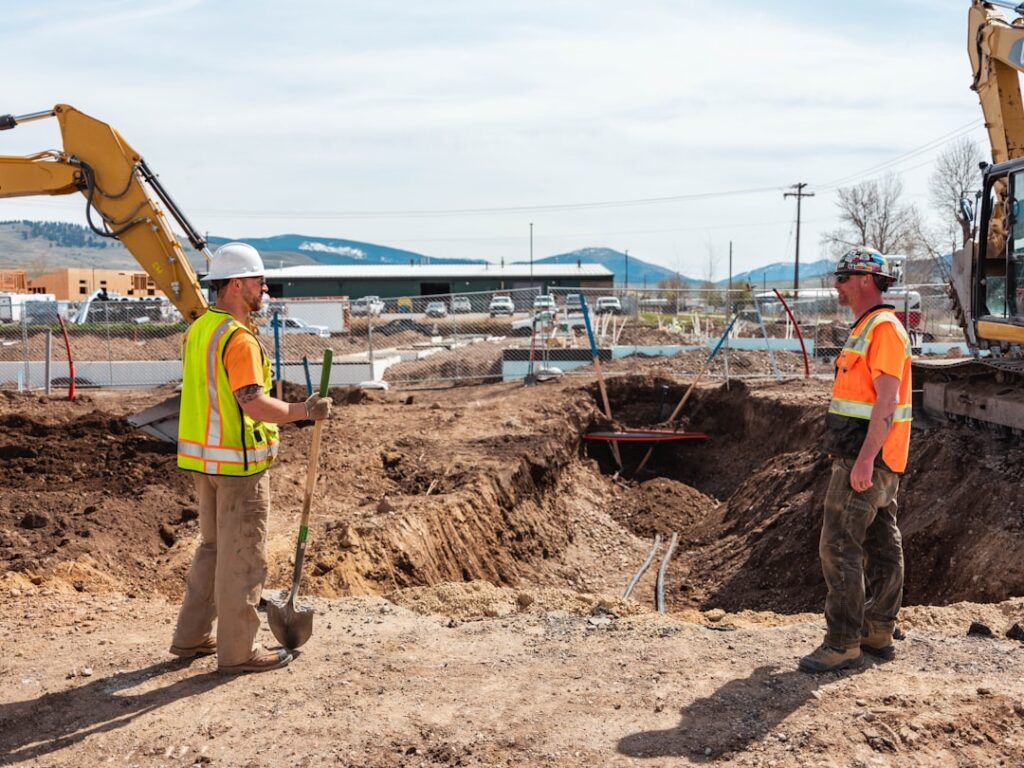
The Hidden Crisis Beneath Construction Sites
Every year, the American construction industry faces an invisible menace lurking beneath the surface of nearly every major project. Underground utility strikes represent one of the most expensive and dangerous challenges facing modern excavation work, costing the nation a staggering $30 billion in annual damages. These incidents don’t just drain budgets—they endanger lives, halt critical infrastructure projects, and create cascading problems that ripple through entire communities. Yet many construction professionals remain unaware of a proven solution that can virtually eliminate this risk: utility potholing.
Safe2core, a leader in underground utility location and mapping, has been raising awareness about this essential safety practice that continues to save construction companies from catastrophic financial losses and tragic accidents. The stakes couldn’t be higher. Every missed utility line represents a potential disaster waiting to happen, from downed power lines that could electrocute workers to ruptured gas lines that threaten entire neighborhoods.
Understanding Utility Potholing: Precision Meets Safety
At its core, utility potholing represents a straightforward yet sophisticated approach to underground excavation safety. Unlike traditional digging methods that rely on guesswork and surface markings, potholing uses precise, non-destructive excavation techniques to physically expose utility lines before any serious digging begins. Think of it as careful, strategic archaeology for modern infrastructure—removing small amounts of soil to reveal exactly what lies beneath before major equipment moves in.
The technique employs specialized equipment and highly trained professionals who remove soil with surgical precision, typically using pressurized water and vacuum systems rather than heavy machinery. This approach allows contractors to see the exact location, depth, and condition of buried utilities including electrical lines, gas pipes, water mains, telecommunications cables, and sewage systems. The information gathered through potholing becomes invaluable documentation that informs every subsequent excavation decision on the project.
What makes potholing particularly valuable is its non-destructive nature. Workers can identify utilities without damaging them, creating a clear picture of what exists below ground before any heavy equipment arrives on site. This simple but elegant solution has prevented countless disasters and saved billions in potential damages.
The Economic Case for Utility Potholing
The financial argument for utility potholing is overwhelming. A single utility strike can cost anywhere from tens of thousands to millions of dollars depending on the severity and which utility gets damaged. Beyond the direct repair costs, construction projects face work stoppages, legal liability, emergency response expenses, and potential fines from regulatory agencies. For projects already operating on tight margins, a major utility strike can transform a profitable job into a financial catastrophe.
Potholing represents a fraction of these costs—often just hundreds or a few thousand dollars per project—yet it virtually eliminates the risk of strikes occurring. When examined through the lens of risk management and cost-benefit analysis, the investment in potholing becomes not just sensible but essential. Insurance companies increasingly recognize this value, and many construction insurers now offer premium reductions for projects that employ comprehensive potholing protocols.
Safety and Regulatory Compliance
Beyond economics, utility potholing addresses the fundamental safety imperative that should drive every construction decision. Workers on job sites face genuine physical danger when utility strikes occur. Electrocution, explosions, and chemical exposure represent very real occupational hazards that can result in serious injury or death. Potholing helps contractors fulfill their moral and legal obligations to provide safe working conditions.
Regulatory bodies have increasingly emphasized the importance of utility location and identification practices. The Common Ground Alliance and various state regulatory agencies continue to strengthen requirements around utility notification and location procedures. Comprehensive potholing programs help contractors demonstrate compliance with these evolving standards while simultaneously protecting their workforce and projects.
Industry Adoption and Best Practices
Leading construction firms have made utility potholing a standard operating procedure rather than an optional add-on. These industry leaders understand that incorporating potholing into project planning from the earliest stages prevents problems rather than scrambling to address them after damage occurs. Best practices include locating utilities early in the design phase, maintaining detailed records of all potholing work, and ensuring that field teams have access to this critical information throughout the project duration.
Safe2core advocates for a standardized approach to potholing that ensures consistency and reliability across different projects and regions. By promoting professional standards and proper training, the company helps elevate the entire industry’s safety profile while reducing the likelihood of costly and dangerous underground strikes.
Moving Forward: A Safer, More Efficient Construction Industry
As construction becomes increasingly complex with aging infrastructure and densely packed utility networks, the importance of utility potholing only grows. Forward-thinking contractors recognize that investing in proper utility identification practices protects their bottom line, shields their workers, and demonstrates their commitment to professional excellence.
The solution to America’s $30 billion utility strike problem exists and has been proven effective. It requires only that construction professionals embrace utility potholing as a standard, non-negotiable part of every excavation project. In doing so, they can build safer projects, protect their workers, preserve their budgets, and contribute to a construction industry that operates with the precision and care our increasingly complex infrastructure demands.
This report is based on information originally published by All News Releases. Business News Wire has independently summarized this content. Read the original article.