
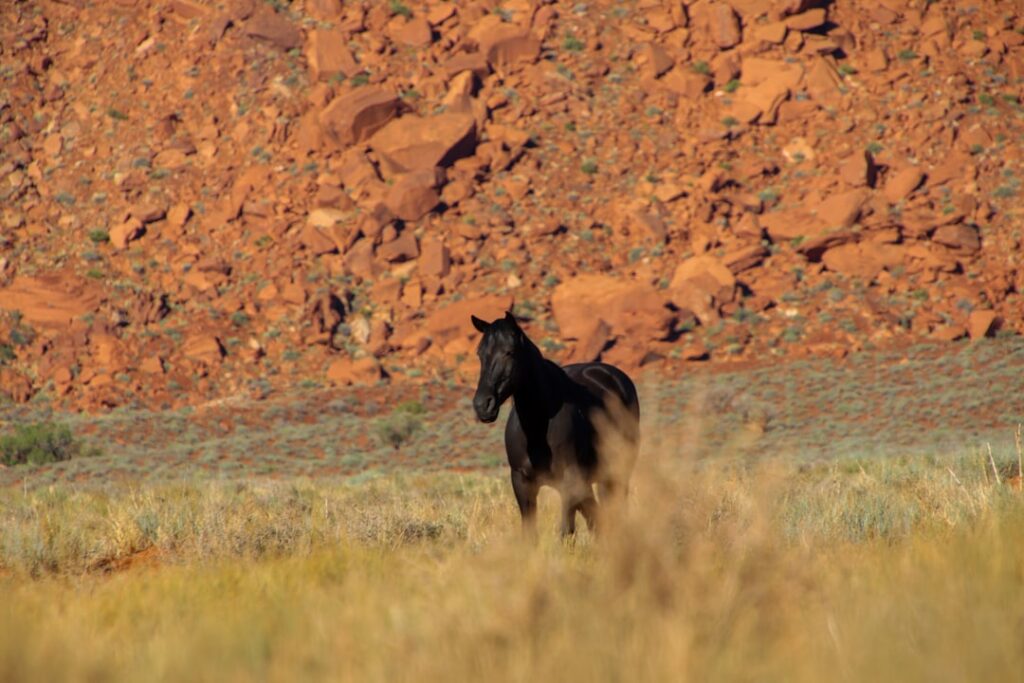
Conservation Group Takes Legal Stand Against Arizona Wild Horse Removals
In a significant escalation of tensions between federal land management and wildlife conservation, Return to Freedom Wild Horse Conservation issued a forceful demand on Friday calling for an immediate cessation of what it characterizes as unlawful wild horse capture and removal operations at Sitgreaves National Forest in Arizona. The organization, based in Lompoc, California, has formally notified the U.S. Forest Service that its current approach to managing the wild horse population in this sensitive ecosystem crosses legal and ethical boundaries.
The confrontation represents a growing flashpoint in the ongoing national debate over how federal agencies should balance land management, livestock concerns, and wild horse preservation. Return to Freedom’s position challenges the Forest Service’s authority and methodology, suggesting that the agency has overstepped its legal mandate in pursuing what the conservation group views as aggressive population control measures.
The Core Legal Challenge
At the heart of Return to Freedom’s complaint lies a fundamental dispute over regulatory authority and compliance with federal wildlife protection statutes. The conservation organization argues that the Forest Service has failed to follow proper legal procedures before initiating the roundup operations. This disagreement touches on critical questions about how the Wild Horses and Burros Act—the landmark 1971 legislation that established federal protection for these animals—should be interpreted and applied in modern land management contexts.
The timing of this dispute is particularly significant given the broader national conversation about public land use and environmental stewardship. Stakeholders across the spectrum—from ranching interests to environmental advocates—have increasingly looked to the courts and regulatory bodies to settle disagreements that traditional administrative processes seem unable to resolve.
Sitgreaves National Forest and Its Wild Horse Population
Sitgreaves National Forest, located in northeastern Arizona, encompasses over 800,000 acres of diverse terrain and serves as home to a substantial wild horse population. The forest represents an important ecological corridor and recreational destination, making decisions about land management particularly consequential for multiple stakeholder groups. Return to Freedom contends that the wild horses constitute an integral part of this ecosystem and deserve protection rather than removal.
The organization’s defense of the Sitgreaves horses reflects broader concerns about the declining wild horse populations across Western public lands. Conservation scientists increasingly recognize that wild horses play a role in shaping landscape dynamics and maintaining ecosystem health, though this perspective remains contested among some range management professionals who emphasize overgrazing concerns.
The Conservation Argument
Return to Freedom’s position extends beyond simple legal objections to encompass substantive conservation principles. The group argues that removing wild horses from their native habitat contradicts modern understanding of ecosystem management and violates the spirit if not the letter of federal wild horse protection legislation. According to the organization’s perspective, the Forest Service has failed to adequately consider alternatives to removal or to conduct sufficient environmental review before proceeding with capture operations.
The conservation group’s demands specifically target what it views as procedural failures and insufficient justification for the removals. Return to Freedom maintains that the Forest Service has not adequately demonstrated that wild horse populations at Sitgreaves pose an genuine threat warranting the extreme measure of large-scale removals. Instead, the organization suggests that the agency may be prioritizing ranching interests or pursuing outdated management philosophies rather than following sound ecological principles.
What Comes Next
This formal demand from Return to Freedom likely represents just the opening move in what could become a protracted legal and administrative battle. The Forest Service will face pressure to respond substantively to the conservation group’s charges, potentially triggering additional review processes or legal proceedings. Given the stakes involved and the passionate feelings on both sides of the wild horse debate, this Arizona dispute may ultimately require resolution through court intervention.
The broader implications of this conflict extend far beyond a single forest. Similar disputes have erupted across the Western United States as wild horse populations interact with public land management priorities, livestock operations, and conservation goals. The outcome at Sitgreaves could set precedent for how federal agencies approach wild horse management decisions in the future.
Return to Freedom’s intervention adds crucial voice to these debates, ensuring that wild horse conservation concerns receive serious consideration in land management decisions. As the situation develops, stakeholders from all perspectives will be watching closely to see how the Forest Service responds and whether legal or administrative mechanisms will ultimately prevail in resolving this significant conservation controversy.
This report is based on information originally published by All News Releases. Business News Wire has independently summarized this content. Read the original article.