
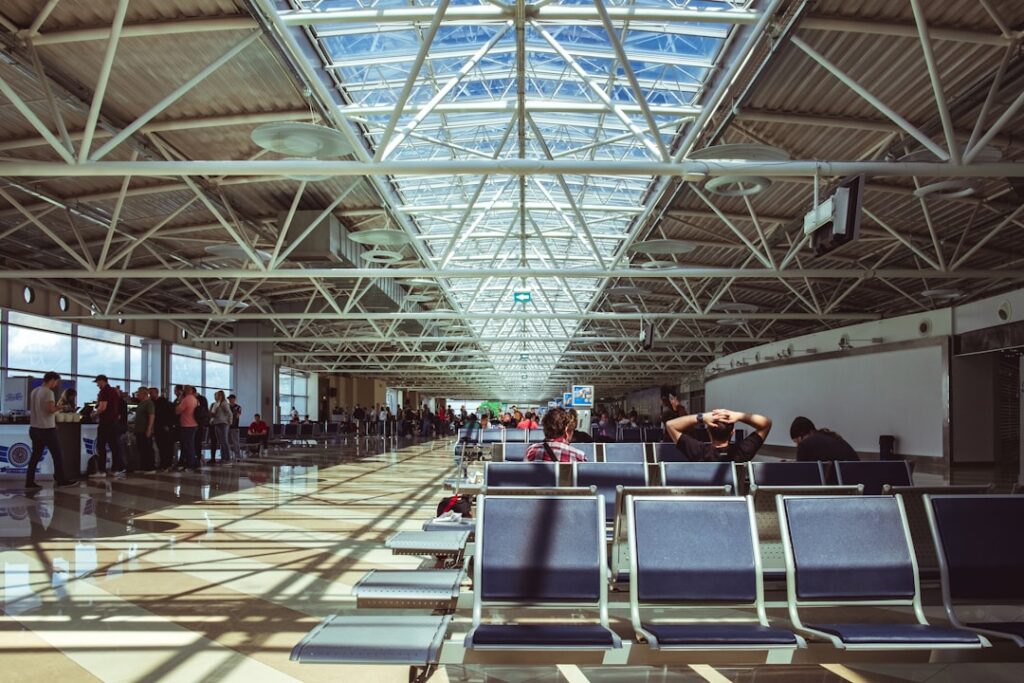
Your Rights When Airlines Fall Short
Travel disruptions happen—weather strikes without warning, mechanical issues ground aircraft, and operational challenges cascade through airline schedules. When your flight gets cancelled or delayed, the financial and logistical fallout can be substantial. Yet many passengers remain unaware that they possess concrete legal protections designed to shield them from these airline failures. Knowing exactly what you’re entitled to receive is the first step toward recovering losses and holding airlines accountable.
Understanding the Cancellation vs. Delay Distinction
The distinction between a cancelled flight and a delayed flight matters significantly when determining your entitlements. A cancelled flight means the airline has essentially abandoned the journey entirely, leaving passengers stranded and requiring alternative arrangements. A delayed flight, by contrast, still departs—just later than scheduled. While both scenarios disrupt your plans, the compensation pathways and passenger rights differ considerably based on which situation you face.
When an airline cancels your flight, you typically have three options: rebooking on the next available flight to your destination, rebooking on an alternative airline, or receiving a full refund of your ticket price. The airline must also provide reasonable care during the waiting period, which may include meals, refreshments, and accommodation depending on the delay length and circumstances.
Compensation Eligibility: When Airlines Must Pay
Beyond refunds and rebooking options, many passengers qualify for direct compensation when flights are cancelled or delayed beyond specific thresholds. In the European Union, for instance, regulations entitle passengers to compensation ranging from €250 to €600 depending on flight distance, provided the cancellation or delay wasn’t caused by extraordinary circumstances beyond airline control.
These “extraordinary circumstances” represent the critical exception that airlines frequently invoke. Severe weather events, security threats, air traffic control decisions, and unexpected technical faults discovered during safety checks may exempt airlines from paying compensation. However, the bar for what qualifies as truly extraordinary remains contested, with many passenger advocates arguing airlines abuse this exception too readily.
The Three-Hour Delay Threshold
A three-hour arrival delay at your final destination typically triggers compensation eligibility across many jurisdictions. This means if your flight lands three hours or more behind schedule, you may be entitled to financial compensation alongside any other remedies. Short delays of one or two hours, while frustrating, generally don’t qualify for compensation payments, though you may still be eligible for care and assistance.
The compensation amount itself depends primarily on flight distance. Short-haul flights within 1,500 kilometers might entitle you to €250, while medium-range flights up to 3,500 kilometers typically qualify for €400. Long-haul international flights exceeding 3,500 kilometers can reach €600 in compensation. These sums represent the airline’s acknowledgment that passenger inconvenience warrants financial remedy.
Care and Assistance Rights
During extended delays and cancellations, airlines bear responsibility for passenger welfare. This includes providing meals and refreshments proportional to the waiting time, arranging accommodation if an overnight stay becomes necessary, and facilitating communications such as phone calls or emails. For passengers with mobility challenges or special needs, airlines must provide appropriate assistance throughout the disruption.
Many airlines attempt to minimize these care obligations or shift costs onto passengers. However, regulatory frameworks clearly establish that airlines—not passengers—must absorb these costs when their operational failures create the disruption. Retaining receipts for meals, transportation, and accommodation becomes crucial documentation should you need to pursue reimbursement claims later.
Refund Policies and Practical Recovery
When seeking refunds for cancelled flights, timing matters considerably. Airlines must process refunds within defined periods, typically 14 days or longer depending on jurisdiction and payment method. Credit card refunds may take additional processing time beyond when the airline issues them. Direct bank transfers generally process faster than credit card reversals.
If an airline delays or refuses refunds beyond regulatory timelines, escalation becomes necessary. Filing formal complaints with national aviation authorities or consumer protection agencies increases pressure on non-compliant airlines. In some cases, small claims court or mediation services provide avenues for recovery when airlines ignore legitimate refund requests.
Claiming Compensation: Documentation and Deadlines
Successfully claiming compensation requires documentation and persistence. Retain your booking confirmation, boarding pass, email correspondence with the airline, and evidence of the actual delay or cancellation. Airlines may request proof of the disruption, and having contemporaneous documentation strengthens your case significantly.
Compensation claims typically have time limits—often five or six years depending on jurisdiction—so don’t delay filing. Many airlines hope passengers simply abandon claims rather than navigate bureaucratic processes. Third-party services now assist passengers with claims management, though these services typically retain 25-30% of successful compensation as their fee.
Taking Action and Protecting Yourself
Understanding your rights transforms you from a passive victim of airline disruption into an informed consumer capable of protecting your interests. Before your next flight, familiarize yourself with the specific regulations governing your route and jurisdiction. Document everything when disruptions occur, communicate clearly with airline staff about your situation, and don’t hesitate to escalate complaints when initial responses prove inadequate.
Airlines depend on passenger passivity and ignorance to minimize their compensation expenses. By claiming the protections that regulations provide, you not only recover your own losses but also incentivize airlines to invest in operational reliability and customer service. Your vigilance matters.
This report is based on information originally published by BBC News. Business News Wire has independently summarized this content. Read the original article.