
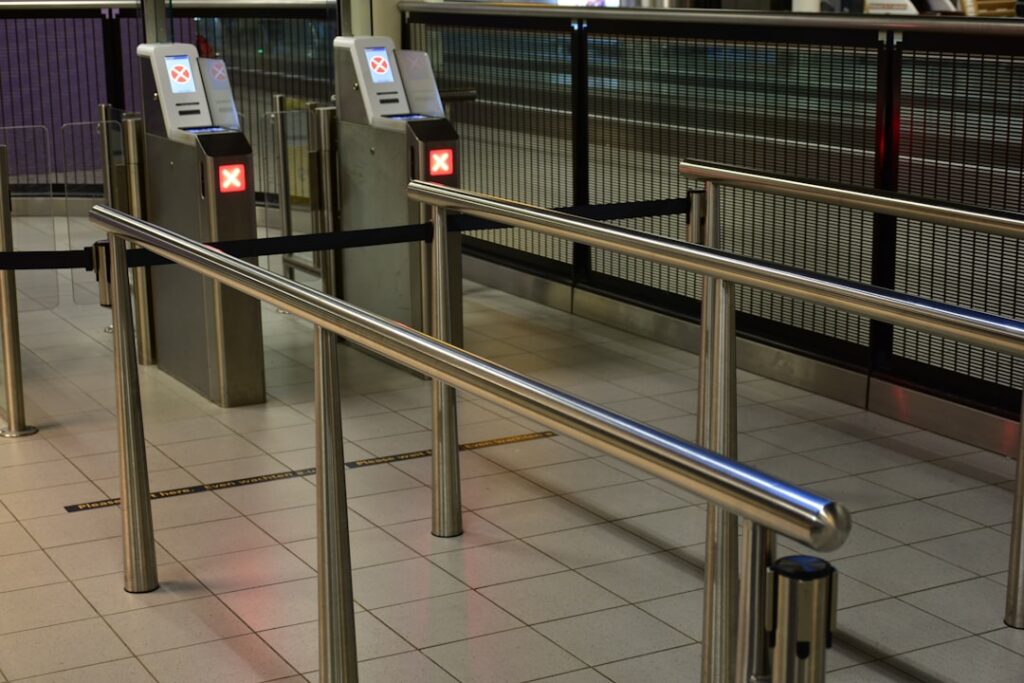
Continental Travel Crisis: European Airports Grapple with New Border Rules
The European aviation landscape is experiencing unprecedented turbulence, not from weather or mechanical failures, but from bureaucratic processes that have become the unexpected villain in modern travel. A recent incident exemplifying this problem saw an entire flight depart without numerous ticketed passengers, their boarding privileges revoked due to border control delays that spiraled beyond anyone’s control. This isn’t an isolated incident—it’s the new normal plaguing airports across Europe as stricter border regulations take hold.
What began as administrative protocol has morphed into a genuine operational crisis. Airports from major transportation hubs to regional facilities are reporting significant delays, with border control checkpoints becoming bottlenecks that threaten the entire flight schedule ecosystem. The implementation of these new European border rules has exposed vulnerabilities in infrastructure that aviation experts never anticipated would become this severe.
The Perfect Storm: When Policy Meets Operations
Airlines and airport authorities find themselves caught between regulatory compliance and customer service obligations. The new border procedures demand additional documentation checks, biometric scanning, and verification protocols that simply consume more time than the previous framework allowed. Yet the terminal infrastructure—the physical spaces where these checks occur, the number of border agents available, and the technological systems supporting the process—hasn’t evolved to accommodate the increased scrutiny.
The mathematics are unforgiving. When a flight is scheduled to depart in 90 minutes and 400 passengers must clear border control through facilities designed for the previous regulatory environment, something has to give. In recent cases, something did give: passengers were left behind, boarding passes were cancelled, and flights departed with empty seats that represented lost revenue and stranded travelers desperately scrambling to rebook.
This creates a domino effect throughout the aviation system. A delayed flight in one city impacts connections in another. Passengers miss subsequent flights, hotel reservations, and business meetings. Airlines face operational inefficiencies, compensation obligations, and potential reputational damage. The broader European travel ecosystem suffers reduced reliability just as tourism and business travel are attempting to recover post-pandemic momentum.
The Regulatory Intention Versus Execution Gap
Border security improvements aren’t inherently problematic—they reflect legitimate governmental priorities around safety and immigration management. However, the execution of these new European border rules has revealed a critical disconnect between policy designers and operational reality. Government agencies implemented stricter procedures without adequately coordinating with airport authorities about infrastructure requirements or with airlines about scheduling implications.
This represents a failure of interagency planning. When new regulations are introduced to the aviation sector, they require extensive coordination among multiple stakeholders. Border agencies, airport operators, airlines, and technology providers must work in concert to ensure that security improvements don’t undermine the fundamental operational viability of air travel. The current situation suggests this coordination either didn’t happen or was insufficient.
Ripple Effects and Real Consequences
The human cost extends beyond inconvenience. Elderly travelers miss connecting flights to family reunions. Business professionals forfeit critical meetings. Families struggle with rebooking complications and unexpected accommodation costs. The financial impact also strikes harder than headlines suggest—airlines absorb rebooking expenses, compensation requirements, and operational inefficiencies. Regional airports particularly suffer, as some airlines may reduce service frequency if operational reliability becomes questionable.
Tourism-dependent regions face additional pressure, as travel uncertainty influences booking decisions. When passengers worry that European border delays might cause them to miss connections, they may choose alternative destinations or delay travel plans indefinitely. This threatens the economic vitality of communities dependent on aviation accessibility.
What Comes Next?
The path forward demands urgent action. Airport authorities must receive emergency resources to expand border control capacity. Airlines need clarity on operational parameters so they can adjust scheduling and staffing accordingly. Governments must acknowledge that these regulations require infrastructure investment to function effectively.
Some solutions are emerging: technology upgrades to expedite processing, additional border personnel, and expanded checkpoint facilities. However, these measures take time and funding. In the interim, passengers face continued uncertainty, and the aviation sector operates under suboptimal conditions.
The European border rules crisis represents a cautionary tale about policy implementation. Well-intentioned regulations can create unintended consequences when stakeholders fail to coordinate comprehensively. As Europe navigates this challenge, the aviation industry watches closely, aware that similar regulatory evolution may arrive in other regions. The question isn’t whether border security matters—it unquestionably does—but whether governments can design and implement necessary security measures without systematically disrupting the operations they’re meant to protect.
This report is based on information originally published by BBC News. Business News Wire has independently summarized this content. Read the original article.