
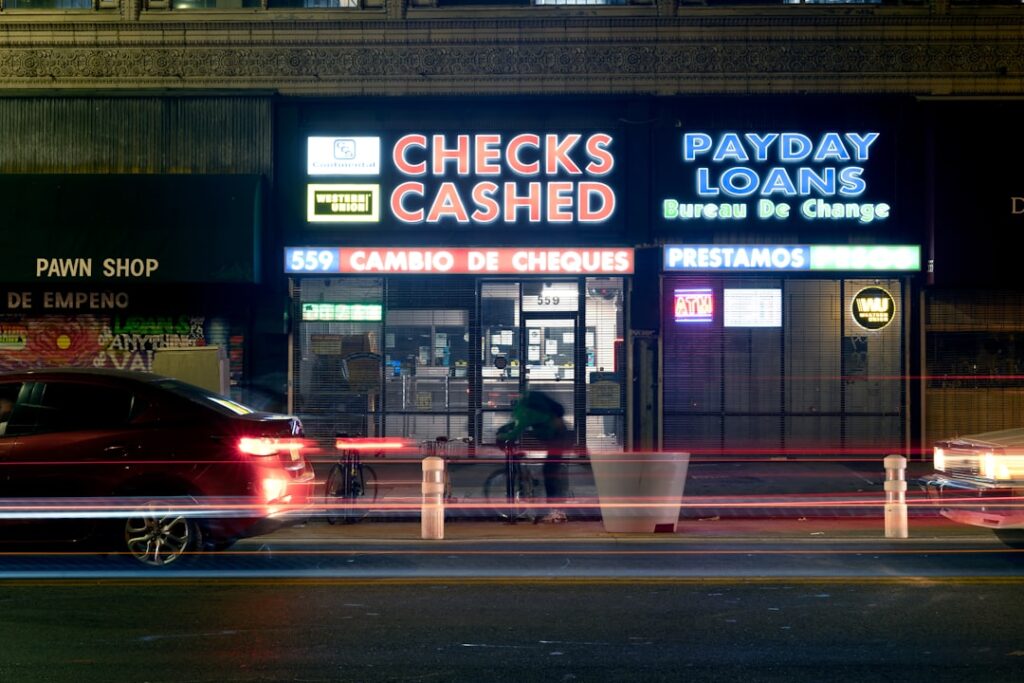
Small Term Loans: A Double-Edged Sword for Quick Cash
When financial emergencies strike without warning, small term loans often emerge as an attractive lifeline. These short-duration borrowing solutions typically range from $100 to $2,000 and promise lightning-fast approval and funding—sometimes within 24 hours. For individuals facing unexpected expenses or temporary cash shortages, the appeal is obvious. However, beneath the surface of convenient accessibility lies a more complicated reality that every potential borrower must fully understand before signing on the dotted line.
Small term loans have exploded in popularity over the past decade, filling a gap left by traditional banks that reject applicants with poor credit histories or insufficient collateral. These loans cater to those in desperate financial straits, offering minimal documentation requirements and approval processes that prioritize income verification over credit scores. Yet this accessibility comes with a significant price tag—one that often catches borrowers off guard and can trigger cycles of perpetual debt.
Understanding the Landscape of Short-Term Borrowing
The small term loan category encompasses several distinct products, each with its own mechanics and risk profile. Payday loans represent perhaps the most common variety, offering quick cash advances against future paychecks. Title loans allow borrowers to use their vehicle as collateral, unlocking larger sums but risking asset forfeiture. Cash advances from credit cards provide another avenue, though they typically carry even steeper costs than traditional payday loans.
What unites these various products is their fundamental structure: borrowers receive money immediately and commit to repaying the full amount plus fees within an exceptionally compressed timeframe—usually between two weeks and twelve months. This compressed repayment schedule distinguishes small term loans from installment loans, which spread payments across longer periods and include more manageable monthly payments.
The accessibility of these loans is deliberately engineered. Lenders have stripped away the extensive credit checks and documentation demands that characterize traditional banking. A typical applicant needs only to prove they have a job, a bank account, and valid identification. This dramatic reduction in barriers to entry has democratized borrowing for those shut out of conventional financial systems.
The Application Process: Speed Over Scrutiny
Applying for a small term loan is refreshingly simple compared to the bureaucratic gauntlet of traditional lending. The entire process typically happens online, from initial application through final approval. Prospective borrowers submit basic personal and financial information, including income, employment status, banking details, and living expenses. The lender’s algorithm crunches these numbers in minutes, not weeks.
The speed is genuinely impressive. Most applicants receive approval decisions within hours, and funds transfer to their accounts within one business day. For someone facing an imminent bill payment or emergency medical expense, this velocity represents a genuine advantage over slow-moving traditional lenders. The entire experience can be completed from a smartphone during a lunch break.
Lenders typically require minimal supporting documentation—perhaps a recent pay stub and bank statement, nothing more. Employment history matters far more than credit history in their decision-making calculus. Someone who was denied by every bank in town might receive instant approval for a small term loan, provided they can demonstrate stable income.
The Hidden Cost: Interest Rates That Defy Logic
Here’s where the small term loan narrative takes a troubling turn. While approval is easy and funding is fast, the cost of borrowing can be staggering. Payday loans frequently charge annual percentage rates exceeding 400 percent—sometimes dramatically exceeding that threshold. A $300 payday loan might cost $345 to repay two weeks later, representing an effective interest rate that would make credit card companies blush.
The typical payday loan charges between $15 and $20 per every $100 borrowed. On the surface, this seems modest. But annualized, this fee structure produces interest rates that exceed what most credit products offer. A borrower paying $17.50 per $100 borrowed every two weeks is paying the equivalent of 455 percent APR—more than ten times the rate on a typical credit card.
Title loans and cash advances operate under similar economics, with rates tied to the collateral offered or the credit product type. The net result is that a $1,000 loan secured by a vehicle title might cost $200 to $300 per month in interest and fees alone. For borrowers living paycheck-to-paycheck, absorbing these costs while maintaining their basic living expenses becomes nearly impossible.
The Debt Cycle Trap: Why Borrowers Keep Borrowing
The most insidious aspect of small term loans isn’t the initial high cost—it’s the structural incentive for borrowers to keep borrowing repeatedly. When a payday loan comes due, many borrowers find themselves unable to repay the full amount without creating new financial hardship. They face an impossible choice: skip the payment and face aggressive collection efforts, or “roll over” the loan.
Rolling over a loan means paying the fee to extend the due date, without reducing the principal. A borrower might pay $50 in fees to extend a $300 loan by two more weeks, still owing the full $300 at the end of that period. This pattern—paying fees without reducing debt—can trap borrowers in cycles lasting months or years. Research indicates the average payday loan borrower remains in debt for five months of the year.
Financial institutions and policymakers have documented how this system disproportionately affects low-income Americans, people of color, and those with limited financial literacy. What begins as a one-time emergency borrowing event transforms into a chronic relationship with predatory lending. The original emergency is long forgotten, but the debt remains.
Weighing the Benefits Against the Risks
Small term loans do offer genuine benefits for specific situations. Someone facing eviction, potential utility shutoff, or an urgent medical expense might rationally choose a high-cost short-term loan over the alternatives—defaulting on rent, losing electricity, or skipping necessary medical treatment. The loans provide genuine emergency relief for people with no other options.
The accessibility for those with poor credit cannot be dismissed, either. Traditional lenders have largely abandoned the subprime market, leaving individuals with limited borrowing alternatives. For someone who genuinely cannot access credit elsewhere, a small term loan might represent the only available solution, however expensive.
However, the risks demand equal consideration. Beyond the punishing interest rates, borrowers expose themselves to additional hazards. Title loans risk vehicle repossession, eliminating transportation necessary for maintaining employment. Payday loans can trigger overdraft fees if lenders attempt collection from accounts with insufficient funds. Collection practices can be aggressive and sometimes illegal, adding psychological stress to financial stress.
Alternatives Worth Exploring First
Before accepting the terms of a small term loan, borrowers should exhaust alternative options. Credit unions frequently offer small personal loans at reasonable rates to members. Employer advances, though not universally available, cost nothing if your employer offers them. Friends and family lending, while emotionally complicated, eliminates lender fees entirely.
Local nonprofits and government agencies often provide emergency assistance for specific needs—utility bills, rent, medical expenses—without the loan structure entirely. Community action agencies, religious organizations, and government benefit programs may bridge emergency gaps more affordably than commercial lenders.
Even negotiating directly with creditors—utility companies, landlords, medical providers—can prevent the emergency that would trigger small term loan borrowing. Many institutions offer payment plans, temporary payment reduction, or service continuation programs for struggling customers.
Making an Informed Decision
If you’ve exhausted alternatives and determined that a small term loan is genuinely necessary, approach the decision with clear-eyed understanding of the true costs. Calculate the total amount you’ll repay, not just the fees charged. Understand the exact due date and consequences of missing it. Read the fine print regarding rollover options and collection practices.
Borrow only what you absolutely need, not the maximum amount offered. Lenders will often approve borrowers for larger amounts than they can comfortably repay, but maximizing a loan maximizes your costs. Have a specific plan for repaying the full amount when the loan comes due—not a hope or expectation, but a concrete plan.
Small term loans serve a real function in the financial ecosystem for people facing genuine emergencies. But they exact a high price for convenience and accessibility. Understanding that price—both the numerical cost and the behavioral and emotional costs of debt cycles—is essential before entering into one of these agreements. For some people in specific circumstances, the trade-off may be worth it. For many others, the long-term consequences will outweigh the short-term relief.
This report is based on information originally published by Small Business Trends. Business News Wire has independently summarized this content. Read the original article.