
SEO_TITLE: Cloud Accounting Software: Complete SaaS Guide
META_DESC
The accounting landscape has undergone a seismic transformation over the past decade. Gone are the days when finance teams hunched over spreadsheets in windowless back offices, manually entering transactions and reconciling accounts with nothing but coffee and determination. Today’s businesses are embracing cloud-based accounting—a revolutionary approach that’s reshaping how organizations of all sizes manage their financial lives.
Cloud-based accounting represents far more than just another software option. It’s a fundamental reimagining of what financial management can be when liberated from the constraints of on-premise systems and antiquated workflows. By leveraging internet technology and Software-as-a-Service (SaaS) models, cloud accounting delivers real-time financial visibility, seamless collaboration, and enterprise-grade security—all without the headaches of traditional systems.
Understanding Cloud-Based Accounting in the Modern Business Era
At its core, cloud-based accounting is a method of managing financial records entirely online, accessible from any internet-connected device. This represents a paradigm shift from legacy systems that required installation on individual computers and manual synchronization across teams. Instead, cloud accounting operates on a SaaS model where information is processed on remote servers maintained by specialized providers.
The beauty of this approach lies in its accessibility and flexibility. Whether you’re managing accounts from your office, a coffee shop, or halfway across the globe, your financial data is there waiting for you. No more being tethered to a single workstation or dealing with version control nightmares. Multiple team members can access and update financial records simultaneously, with changes reflected instantly across the entire system.
Security concerns often dominate discussions about cloud solutions, but cloud-based accounting actually provides superior protection compared to traditional methods. Data is encrypted during transmission and storage, automatic backups ensure nothing is ever truly lost, and regular security audits keep systems hardened against emerging threats. Your financial information is arguably safer in the cloud than stored on individual computers vulnerable to theft, hardware failure, or natural disasters.
The Technical Architecture Behind Cloud Accounting Systems
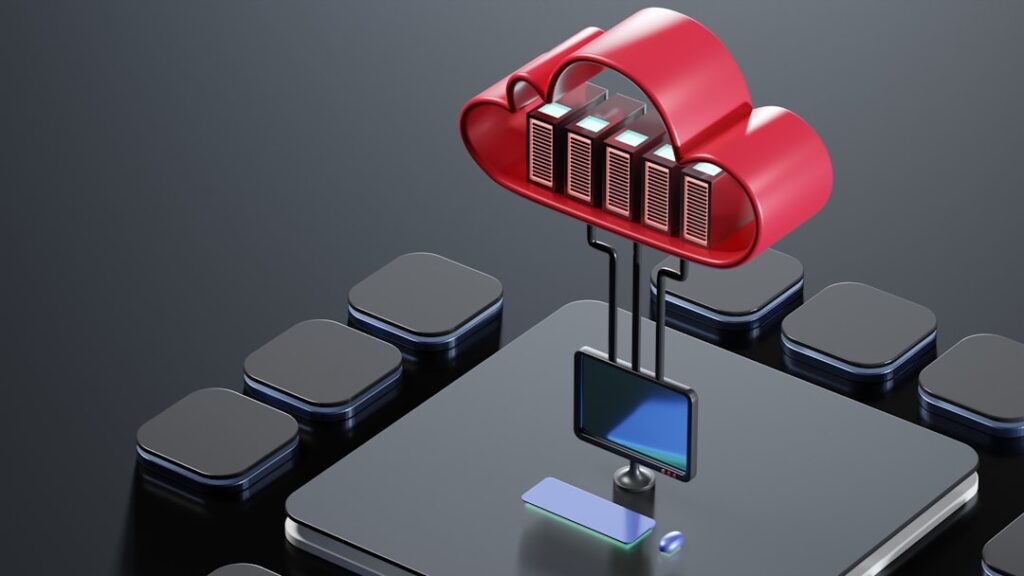
Understanding how cloud accounting actually works demystifies the technology and builds confidence in its reliability. When you log into a cloud accounting platform, you’re accessing secure web-based software hosted on remote servers. This distributed architecture means the heavy computational lifting happens elsewhere—on servers optimized for security, speed, and reliability.
Data processing occurs in real-time within the cloud environment. When you enter a transaction, it doesn’t wait for a sync cycle or batch processing. Instead, it’s immediately available to everyone on your team, calculations are updated automatically, and your financial reports reflect current information instantly. This real-time synchronization eliminates the lag and inaccuracy inherent in traditional systems where different users might be working with outdated information.
The encryption protocols employed by cloud accounting providers represent industry-leading security standards. Data traveling between your device and the servers is protected through advanced encryption, and stored data is encrypted at rest. This two-pronged approach ensures that even if someone intercepts transmission or breaches storage systems, the information remains incomprehensible without proper decryption keys.
Key Advantages That Drive Adoption
The migration to cloud-based accounting isn’t driven by hype—it’s powered by tangible, measurable benefits that improve business operations. Real-time updates eliminate the delays and guesswork that plague traditional accounting. Instead of wondering whether yesterday’s transactions are fully recorded and reconciled, you know immediately.
Collaboration capabilities transform how finance teams operate. Rather than emailing files back and forth or maintaining confusing spreadsheets with multiple versions, team members work simultaneously in the same system. A bookkeeper enters transactions while a manager reviews reports while an accountant reconciles accounts—all in real-time on the same data. This synchronicity dramatically reduces errors and accelerates financial close processes.
The subscription-based pricing model addresses a fundamental pain point of traditional software. Rather than investing heavily in upfront licensing costs and expensive hardware infrastructure, businesses pay manageable monthly or annual fees. This model scales elegantly as your organization grows—adding new users or features requires a simple subscription adjustment rather than expensive upgrades.
Automatic updates mean your accounting system stays current without requiring downtime or IT intervention. Security patches, new features, and performance improvements roll out seamlessly, ensuring you’re always running the latest version. This continuous improvement stands in stark contrast to traditional software that might operate on outdated versions for years.
How Cloud Accounting Differs From Traditional Systems
The distinction between cloud-based accounting and traditional on-premise software extends beyond technical infrastructure. Traditional systems require local installation on individual computers, meaning IT teams must manage updates, troubleshoot compatibility issues, and maintain hardware. Cloud systems eliminate this entire category of problems.
Manual data entry errors proliferate in traditional environments where different team members maintain separate records or spreadsheets. Cloud systems create a single source of truth, dramatically reducing duplicate entry and reconciliation errors. The system enforces consistent data standards and provides built-in validation checks.
Remote accessibility presents another stark contrast. Traditional software locks users to specific locations and devices. Cloud accounting enables work-from-anywhere flexibility—increasingly critical in today’s distributed workforce environment. Whether employees work from offices, home, or hybrid arrangements, they access identical current information.
Security and Data Protection Excellence
Cloud accounting providers employ security measures that exceed what most individual businesses could implement independently. Multiple layers of protection guard against various threat vectors. Encryption protects data in transit and at rest. Automatic backups ensure data survives hardware failures or cyber attacks. Regular security audits identify and remediate vulnerabilities before they become exploitable.
The providers’ reputation depends entirely on security excellence, creating strong incentives for continuous investment in protection systems. They employ dedicated security teams, maintain compliance with industry standards, and undergo regular third-party audits. This professional focus on security often surpasses what internal IT departments can achieve.
The Path Forward for Modern Finance
Cloud-based accounting has moved from innovative novelty to industry standard. Businesses embracing this technology gain competitive advantages through improved financial visibility, enhanced team collaboration, reduced operational costs, and superior security. The combination of accessibility, real-time data, automatic updates, and subscription pricing creates a compelling case for migration.
As financial management increasingly demands real-time insights and flexible remote work capabilities, cloud-based accounting isn’t just an attractive option—it’s becoming essential for businesses intent on remaining competitive. The question is no longer whether to move to cloud accounting, but when and how to execute the transition efficiently.
SOURCE_ATTRIBUTION: This report is based on information originally published by Small Business Trends. Business News Wire has independently summarized this content. Read the original article.