
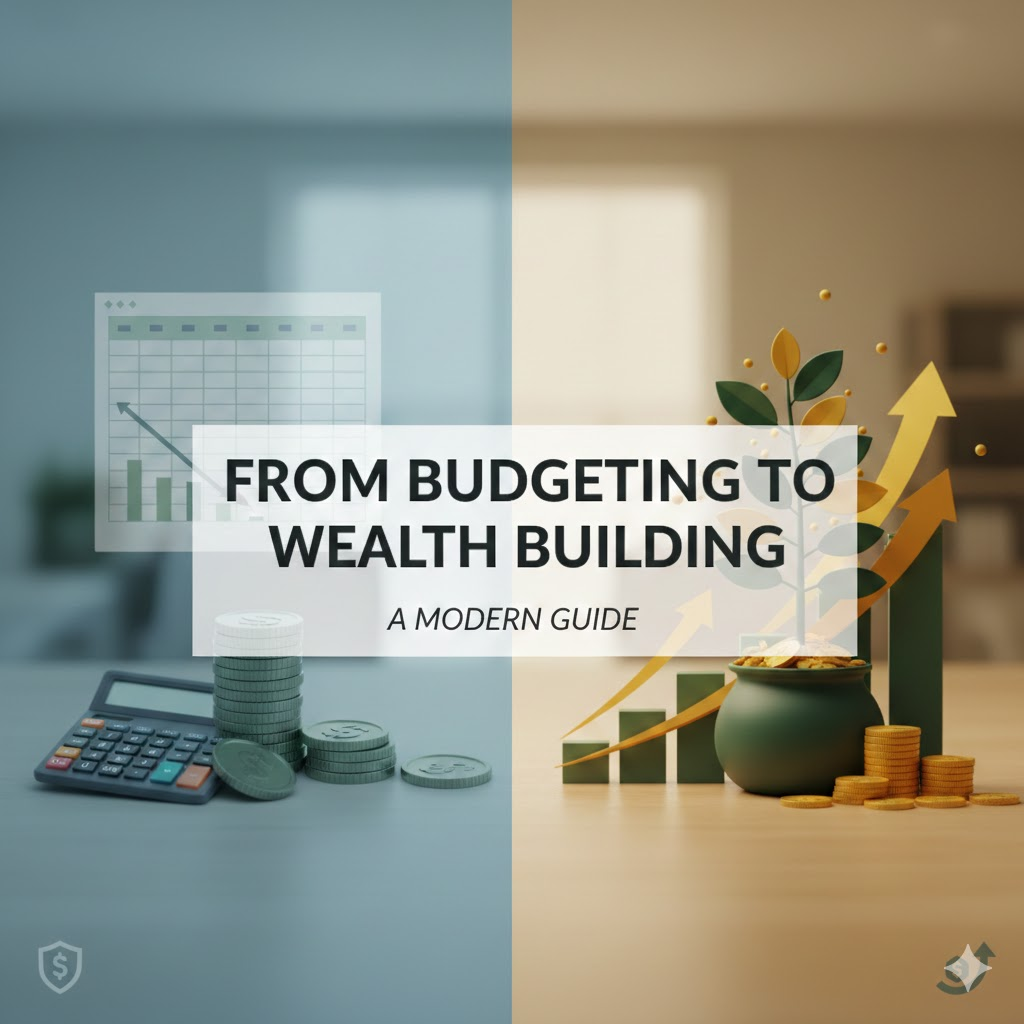
Managing money today is no longer just about paying bills and saving a little each month. Rising costs, digital banking, new investment options, and flexible career paths have changed how people build financial security. Modern financial success is about moving intentionally from budgeting to long-term wealth building.
This guide breaks down that journey step by step—starting with control over your money and ending with strategies that help it grow over time.
Understanding the Purpose of Budgeting
Budgeting is not about restriction. It is about awareness.
A good budget shows you:
- Where your money comes from
- Where it goes
- What you can improve
Without this clarity, wealth building becomes guesswork. Budgeting creates the foundation that every successful financial plan stands on.
Step One: Build a Budget That Actually Works
Many budgets fail because they are unrealistic. A modern budget should be flexible and practical.
Start by dividing your income into three broad categories:
- Needs: Housing, food, utilities, insurance
- Savings and investing: Emergency fund, long-term goals
- Lifestyle: Entertainment, travel, personal spending
Adjust percentages based on your income and responsibilities. The goal is consistency, not perfection.
Step Two: Create Financial Stability With an Emergency Fund
Before focusing on wealth, you need protection.
An emergency fund prevents unexpected expenses from turning into debt. Aim to save three to six months of essential expenses in a separate, easily accessible account.
This fund is not an investment. It is insurance for your peace of mind.
Step Three: Eliminate Financial Drains
High-interest debt can block wealth creation even with a strong income.
Focus on reducing:
- Credit card balances
- High-interest personal loans
Choose a strategy that suits your mindset:
- Paying off high-interest balances first saves money
- Paying off smaller balances first builds motivation
Reducing debt frees up cash flow for saving and investing.
Step Four: Shift From Saving to Investing
Saving protects your money. Investing grows it.
In a modern financial plan, both are necessary. Keeping too much money in savings may feel safe, but inflation slowly reduces its value.
Key investing principles:
- Start early, even with small amounts
- Diversify across asset types
- Focus on long-term growth, not short-term trends
Wealth building rewards patience more than perfect timing.
Step Five: Understand the Power of Compounding
Compounding is the engine behind long-term wealth.
When returns generate their own returns, growth accelerates over time. This is why consistency matters more than large one-time investments.
The earlier you invest, the more time compounding has to work in your favor.
Step Six: Build Multiple Income Streams
Relying on a single income source increases financial risk.
Modern wealth builders often diversify income through:
- Freelancing or consulting
- Digital products or content creation
- Dividends or interest-earning investments
Multiple income streams provide flexibility and speed up wealth accumulation.
Step Seven: Use Automation to Stay Consistent
Automation removes emotion from financial decisions.
Set up:
- Automatic savings transfers
- Automatic investment contributions
- Automated bill payments
Automation ensures your plan continues even during busy or stressful periods.
Step Eight: Protect Your Wealth With Insurance and Planning
Wealth building is not just about growth. It is also about protection.
Review your coverage for:
- Health insurance
- Life insurance if dependents rely on your income
- Property or asset insurance
One unexpected event can undo years of progress without proper protection.
Step Nine: Increase Financial Knowledge Continuously
Money rules change over time.
Commit to learning about:
- Taxes and tax-efficient investing
- Risk management and diversification
- New financial tools and platforms
Financial literacy empowers you to make informed decisions instead of reactive ones.
Step Ten: Align Wealth With Your Life Goals
True wealth is not just numbers on a screen.
Ask yourself:
- What does financial freedom look like for me?
- What lifestyle do I want to support?
- When do I want flexibility or early retirement?
Your financial plan should support your life—not control it.
Common Mistakes to Avoid
- Delaying investing because you feel unprepared
- Chasing quick profits or trends
- Ignoring inflation and taxes
- Comparing your progress to others
Wealth building is personal. Focus on progress, not perfection.
Frequently Asked Questions
Is budgeting still necessary if I earn a high income?
Yes. Higher income without budgeting often leads to higher spending rather than wealth.
How much should I save before investing?
Build a basic emergency fund first, then invest while continuing to save.
Can I build wealth without a large income?
Yes. Consistency, smart investing, and time matter more than income size.
Are modern investing apps reliable?
Many are, but always check fees, security features, and regulatory compliance before using them.
How long does it take to build wealth?
Wealth building is a long-term process. Small actions today compound into meaningful results over years.
Final Thoughts
Modern financial success is a journey—from control to confidence, and from stability to growth.
Budgeting gives you awareness. Saving provides security. Investing creates opportunity. Together, they form a system that turns income into long-term wealth.
You do not need to master everything at once. Start where you are, stay consistent, and let time work in your favor. Wealth is not built overnight, but it is built intentionally.