
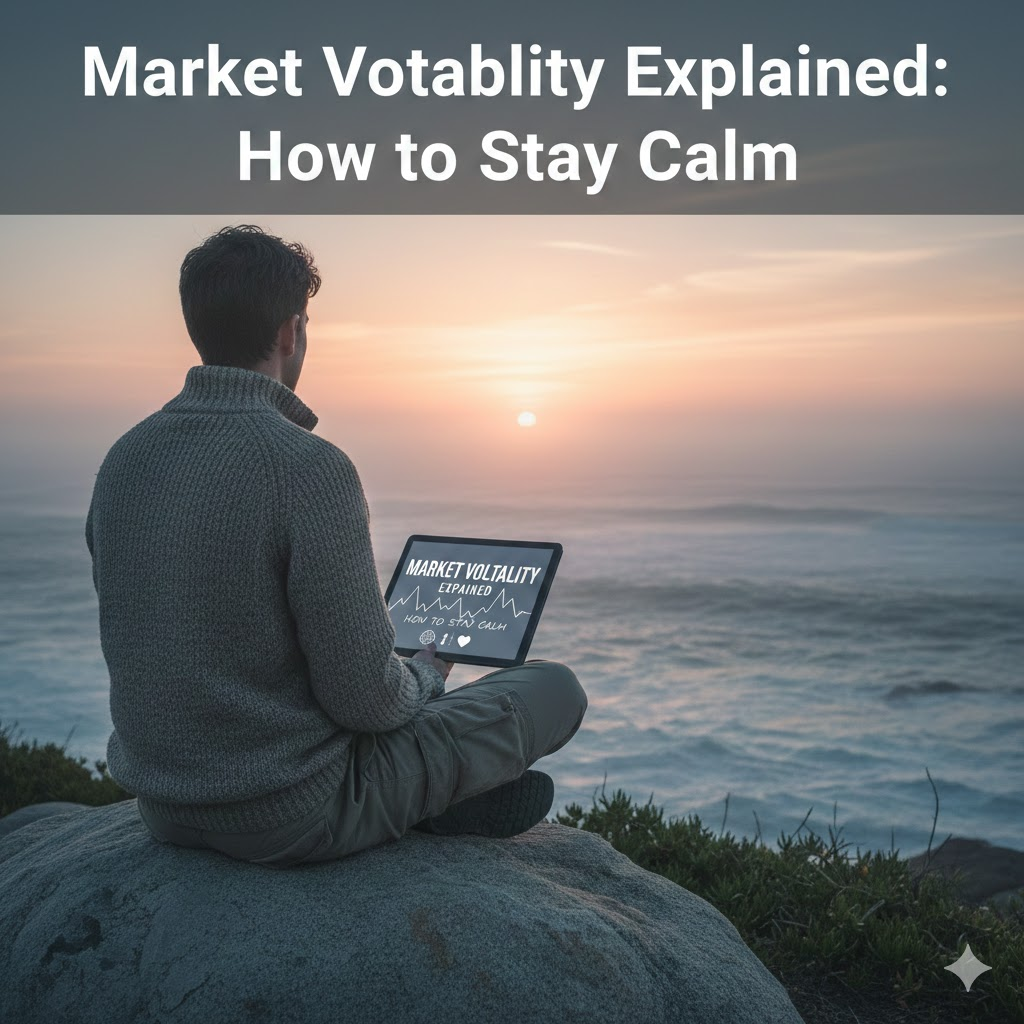
Market volatility refers to the speed and size of price movements in financial markets. It is a normal part of investing, yet it often creates anxiety for investors, especially during sharp market swings. Understanding why volatility happens and how to respond calmly can help investors make better decisions and protect long term returns.
Staying calm during volatile periods is not about ignoring risk. It is about managing emotions and sticking to a sound strategy.
What Causes Market Volatility
Economic and Political Events
Interest rate changes, inflation data, elections, and geopolitical tensions can cause sudden market reactions. Markets respond quickly to new information, even when the long term impact is unclear.
Corporate Earnings and News
Company earnings reports, mergers, or unexpected announcements often lead to short term price swings. These movements do not always reflect long term value.
Investor Sentiment
Fear and greed play a major role in volatility. When investors panic or chase trends, price movements become exaggerated.
Why Volatility Feels Worse Than It Is
Loss Aversion
People feel losses more strongly than gains. A short term drop can feel more painful than a long term gain feels rewarding.
Constant Market Noise
24 hour news, social media, and market alerts amplify fear. Overexposure to information makes volatility feel more intense.
Short Term Focus
Focusing on daily price movements can distract from long term goals and lead to emotional decisions.
How to Stay Calm During Market Volatility
Focus on Your Long Term Plan
A clear investment plan provides direction during uncertain times. Long term goals such as retirement or wealth building should not change due to short term market swings.
Revisit your plan instead of reacting to headlines.
Diversify Your Portfolio
Diversification spreads risk across assets, sectors, and regions. This reduces the impact of any single market event.
A diversified portfolio is more resilient during volatility.
Avoid Emotional Decision Making
Selling in panic or buying out of fear of missing out often leads to poor outcomes. Emotional reactions rarely align with long term success.
Pause before making any decision during market stress.
Limit How Often You Check Prices
Constantly checking market prices increases stress. Setting a routine review schedule helps maintain perspective.
Less monitoring often leads to better behavior.
Practical Strategies to Manage Volatility
Use Dollar Cost Averaging
Investing regularly spreads purchases over time. This reduces the risk of investing at the wrong moment and smooths market impact.
Keep Cash for Stability
Holding some cash provides flexibility and peace of mind. It helps cover short term needs without selling investments at a loss.
Rebalance Periodically
Rebalancing brings your portfolio back to target allocation. It encourages disciplined buying and selling rather than emotional reactions.
Mental Techniques to Stay Grounded
Remember Past Market Recoveries
Markets have recovered from crises repeatedly. History shows that downturns are temporary, even when they feel severe.
Focus on What You Can Control
You cannot control market movements, but you can control savings rate, diversification, and discipline.
This mindset reduces stress.
Separate News From Action
Not every news update requires a response. Learning to observe without reacting is a powerful skill.
Common Mistakes During Volatile Markets
Trying to Time the Market
Predicting exact tops and bottoms is extremely difficult. Timing mistakes often cause missed opportunities.
Abandoning a Strategy Too Quickly
Changing strategies during volatility locks in losses and disrupts long term plans.
Following the Crowd
Herd behavior leads to buying high and selling low. Independent thinking protects capital.
When Volatility Can Be an Opportunity
Buying Quality Assets at Lower Prices
Volatility can create opportunities to buy strong assets at attractive valuations.
Improving Portfolio Efficiency
Market swings provide chances to rebalance and improve asset allocation.
Conclusion
Market volatility is unavoidable, but panic is optional. Understanding why markets fluctuate and preparing emotionally and strategically helps investors stay calm during turbulent periods.
By focusing on long term goals, maintaining diversification, and managing behavior, investors can navigate volatility with confidence. Calm and disciplined investors are better positioned to achieve sustainable success over time.