
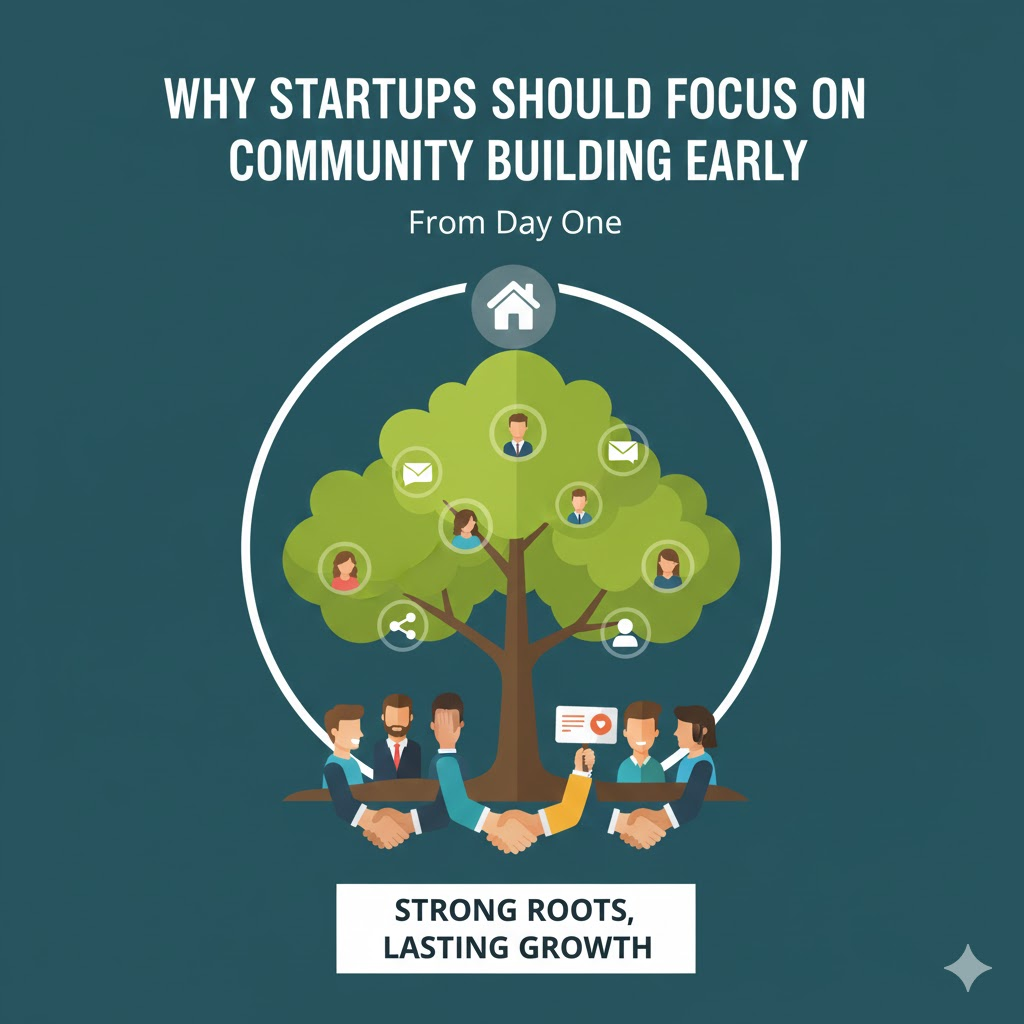
Community building is often underestimated by early stage startups. Many founders focus solely on product development or acquiring paying customers, overlooking the power of a loyal, engaged community. Yet, startups that invest in community early often enjoy faster growth, better retention, and stronger brand loyalty.
Here’s why community should be a core focus from day one and how founders can approach it strategically.
The Importance of Community for Startups
Creates a Loyal User Base
Communities foster relationships beyond transactions. Early adopters who feel connected to your brand are more likely to stay, provide feedback, and advocate for your startup.
Amplifies Word of Mouth
A passionate community spreads your product naturally. Recommendations from trusted peers are far more influential than traditional marketing.
Provides Real-Time Feedback
Engaged communities offer insights into product improvements, feature requests, and user behavior. This feedback loop accelerates product-market fit.
Community as a Competitive Advantage
Difficult to Replicate
While competitors can copy features, replicating an authentic community is challenging. It becomes a moat that protects your startup from copycats.
Builds Emotional Connection
Strong communities create emotional ties to the brand. Users identify with your mission and values, making them more invested in your success.
Drives Organic Growth
Communities generate organic leads through referrals, testimonials, and social sharing, reducing acquisition costs.
How to Start Building a Community Early
Identify Your Core Audience
Focus on early adopters who are most passionate about your product or mission. Understanding their needs helps create meaningful engagement.
Choose the Right Platforms
Communities thrive where your audience spends time. Options include social media groups, Slack/Discord channels, or dedicated forums.
Encourage Interaction
Facilitate discussions, ask questions, and respond actively. Engagement is key to building trust and loyalty.
Provide Value Beyond the Product
Educational Content
Share insights, guides, and tutorials that help your audience achieve their goals. Value-driven content strengthens community bonds.
Exclusive Access or Experiences
Offer early access, beta programs, or behind-the-scenes updates to make community members feel special.
Recognize Contributions
Highlight active members, feature user stories, and celebrate milestones. Recognition motivates continued participation.
Integrate Community With Growth Strategy
Feedback-Driven Product Development
Use community insights to guide features and improvements. Members feel heard, and the product evolves to better meet user needs.
Advocacy and Referral Programs
Empower community members to share your startup. Reward contributions through recognition or perks rather than just monetary incentives.
Build Partnerships
Collaborate with complementary startups or influencers to bring new members into the community and expand reach.
Common Mistakes to Avoid
- Ignoring Community Management: Leaving a community unattended leads to disengagement. Consistent interaction is essential.
- Focusing Only on Growth: Prioritize quality of engagement over sheer size. A small, passionate community is more valuable than a large, inactive one.
- Treating Community as Marketing Only: Avoid spamming or over-promoting. Authenticity and trust matter more than short-term sales.
Measuring Community Impact
Engagement Metrics
Track activity, discussion threads, event participation, and content shares.
Retention and Referral Rates
Communities influence retention and organic growth. Measure how members contribute to long-term customer loyalty.
Feedback Implementation
Monitor how community feedback translates into product improvements or feature launches.
Conclusion
Focusing on community early gives startups a powerful growth engine, real-time insights, and a loyal user base that champions the brand. It strengthens product-market fit, builds trust, and creates competitive advantages that are hard to replicate.
For startups, community is not just an optional strategy — it is a long-term investment in sustainable growth. By cultivating meaningful engagement from day one, founders can transform early users into advocates, advisors, and co-creators of the startup’s journey.