
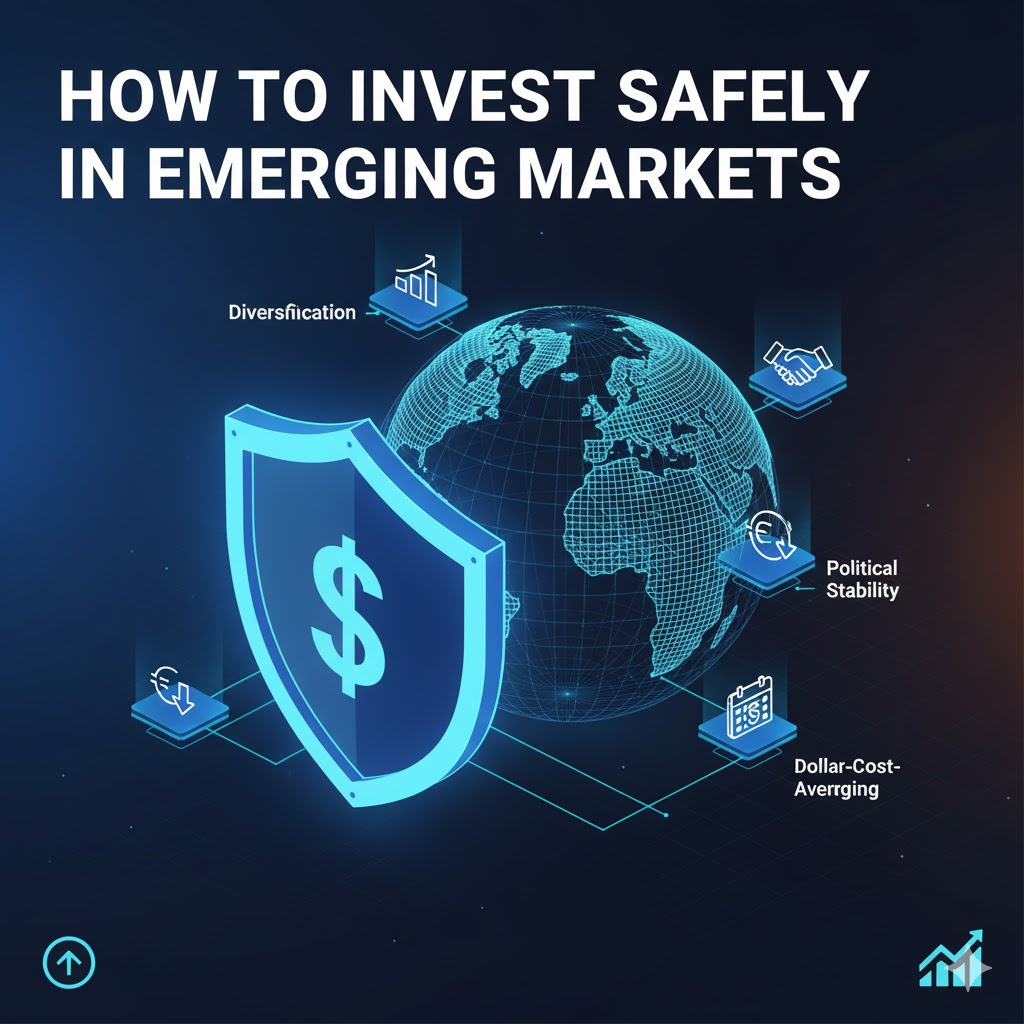
Emerging markets offer strong growth potential, but they also come with higher risks compared to developed economies. Rapid economic expansion, rising consumer demand, and favorable demographics attract investors, yet volatility and uncertainty require a careful approach.
Investing safely in emerging markets is about balancing opportunity with risk management. This guide explains how to approach emerging market investments wisely and confidently.
Understand What Emerging Markets Are
Characteristics of Emerging Economies
Emerging markets are countries experiencing rapid economic growth and industrialization. These economies often show rising incomes, expanding middle classes, and improving infrastructure.
However, they may also face political instability, currency fluctuations, and regulatory changes.
Why Investors Are Attracted to Them
Emerging markets often grow faster than developed markets. This growth can lead to higher returns over the long term, especially for patient investors.
Start With a Long Term Perspective
Volatility Is Normal
Emerging markets can be more volatile due to economic and political factors. Short term price swings are common and should be expected.
Investors who focus on long term trends are better positioned to benefit from growth while avoiding emotional decisions.
Avoid Short Term Speculation
Trying to time emerging market movements increases risk. A steady and disciplined approach helps reduce the impact of market fluctuations.
Diversify Across Countries and Sectors
Avoid Concentration Risk
Investing in a single country or sector increases exposure to local risks. Diversifying across multiple regions spreads risk more effectively.
Broad exposure reduces the impact of country specific challenges.
Balance Sectors Carefully
Emerging markets include industries such as technology, energy, finance, and consumer goods. Diversifying across sectors improves portfolio stability.
Use Funds Instead of Individual Stocks
Emerging Market Mutual Funds
Mutual funds managed by experienced professionals provide diversified exposure. Fund managers monitor risks and adjust holdings based on market conditions.
This approach suits investors who prefer professional oversight.
Exchange Traded Funds for Simplicity
Emerging market ETFs offer low cost and transparent exposure to a wide range of countries and companies. They are ideal for beginners and long term investors.
ETFs also reduce the risk of poor stock selection.
Pay Attention to Currency Risk
Currency Fluctuations Matter
Emerging market currencies can be volatile. Currency depreciation may reduce returns even if investments perform well locally.
Understanding currency exposure helps set realistic expectations.
Diversification Helps Manage Currency Risk
Holding investments across multiple countries reduces the impact of a single currency movement on your overall portfolio.
Evaluate Political and Economic Stability
Monitor Policy and Governance
Political decisions, regulations, and government stability influence market performance. Sudden policy changes can affect businesses and investors.
Staying informed helps investors anticipate risks.
Focus on Reform Oriented Economies
Countries implementing economic reforms, improving governance, and supporting business growth often offer better long term investment environments.
Keep Allocation Balanced
Limit Overall Exposure
Emerging markets should be part of a diversified portfolio, not the entire strategy. Allocating a reasonable portion helps capture growth while managing risk.
A balanced allocation protects overall wealth during downturns.
Adjust Based on Risk Tolerance
Investors with higher risk tolerance may allocate more, while conservative investors should keep exposure limited.
Rebalance Regularly
Maintain Target Allocation
Market movements can shift portfolio balance. Regular rebalancing ensures emerging market exposure stays aligned with goals and risk tolerance.
This discipline helps lock in gains and control risk.
Avoid Common Mistakes
Chasing High Returns
High past returns often attract attention, but they do not guarantee future performance. Focus on fundamentals rather than hype.
Ignoring Fees and Costs
High fees reduce long term returns. Choose low cost investment options whenever possible.
Conclusion
Investing safely in emerging markets requires patience, diversification, and a clear strategy. While these markets offer strong growth opportunities, managing risks is essential for long term success.
By using diversified funds, maintaining a long term perspective, monitoring economic conditions, and balancing exposure, investors can participate in emerging market growth while protecting their portfolios. Smart planning turns emerging market volatility into a manageable and rewarding investment opportunity.